
Roof repair in Duncan and the Cowichan Valley
A wet winter on the east side of the Island finds the weak spots on farmhouses, character homes and new builds alike. Call (778) 901-9799 or use the contact form. We match you with a local roofer, and the match costs you nothing.
A matching service, not a roofing company. The roofer does the work and quotes you.
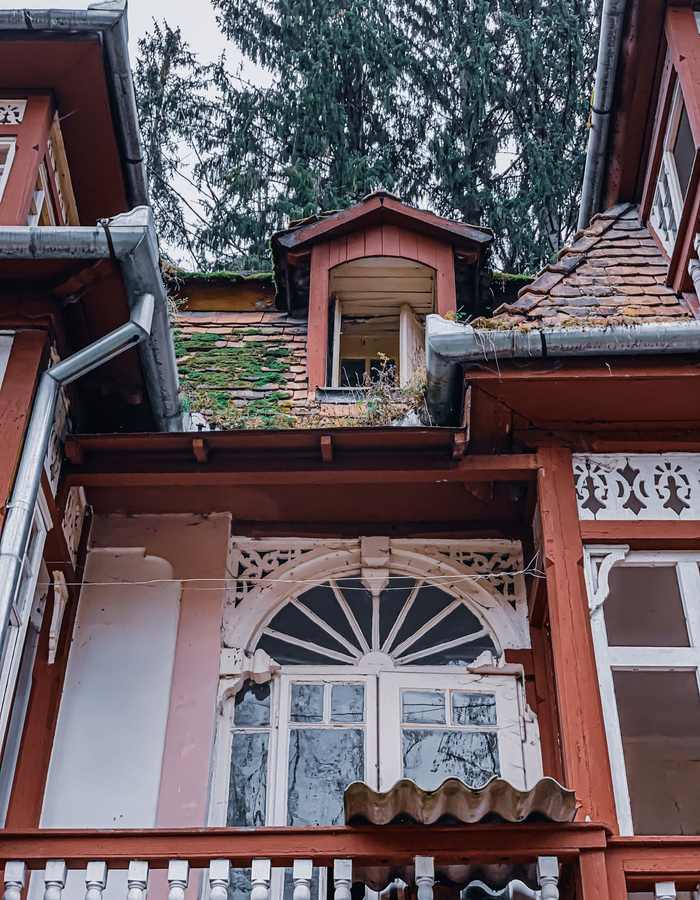
Old houses and a long wet season
Moss and shade
Tall trees hold damp on the roof. Moss lifts a shingle and keeps water sitting on the surface.
Aging roofs
A lot of roofs around Duncan are past their best years. The first leaks start at flashing and in the valleys.
Fall leaves
Leaves pack the gutter and push water back under the edge of the roof.
Fall
Clear leaves and check flashing before the rain.
Winter
Long soaking rain. Small leaks show up now.
Spring
Moss grows fast. Time to inspect and treat.
Summer
Dry weather is the best time for bigger repairs.
Tell us the problem. We find the roofer.
Roof leak repair
Water coming in? A roofer finds where it starts and fixes it, not just the stain.
Flashing and chimney
Seal the joints around chimneys, vents and skylights where most leaks begin.
Moss and debris
Remove moss, clean the roof and treat it so it does not return quickly.
Storm damage
Lifted shingles, fallen branches and wind damage looked at by a local roofer.
Emergency tarping
Cover the roof now so the rain stays out until a repair can happen.
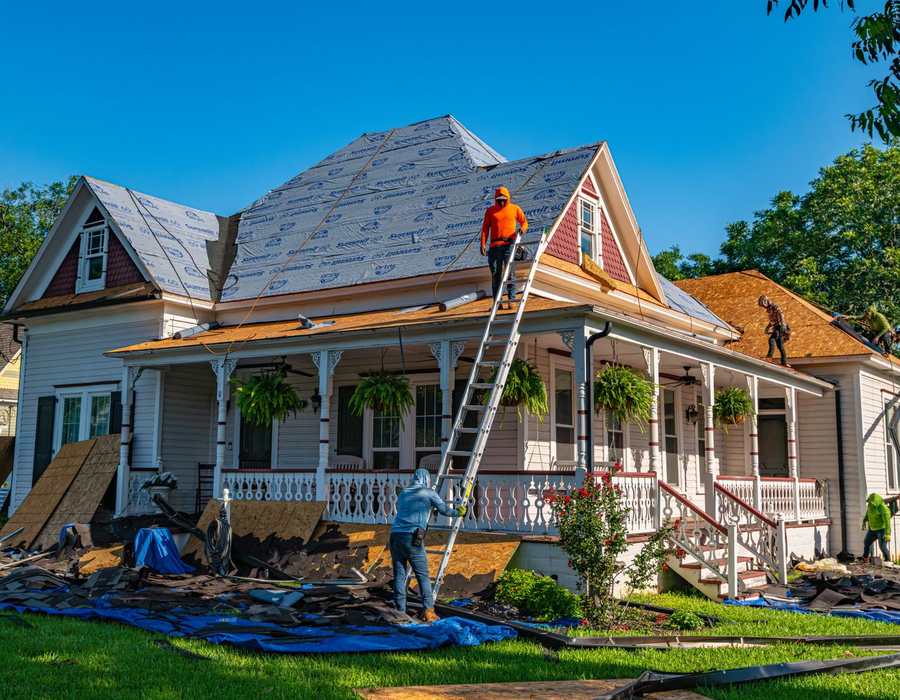
Leaking right now?
Call or use the contact form. We will get a local roofer to contact you.
(778) 901-9799When a storm rolls through the valley, it finds the weak spot.
Do not wait for the next one. Save the number now and call when you need it.
(778) 901-9799Heritage homes and new builds fail differently
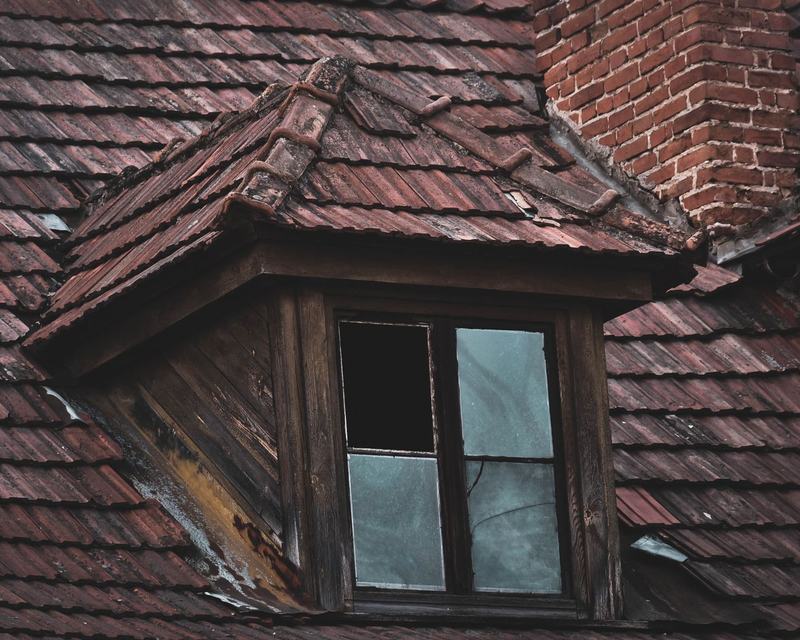
Older homes
Character homes and farmhouses need careful hands.
- Worn flashing and old sealant
- Soft decking under old roofing
- Chimney and dormer leaks
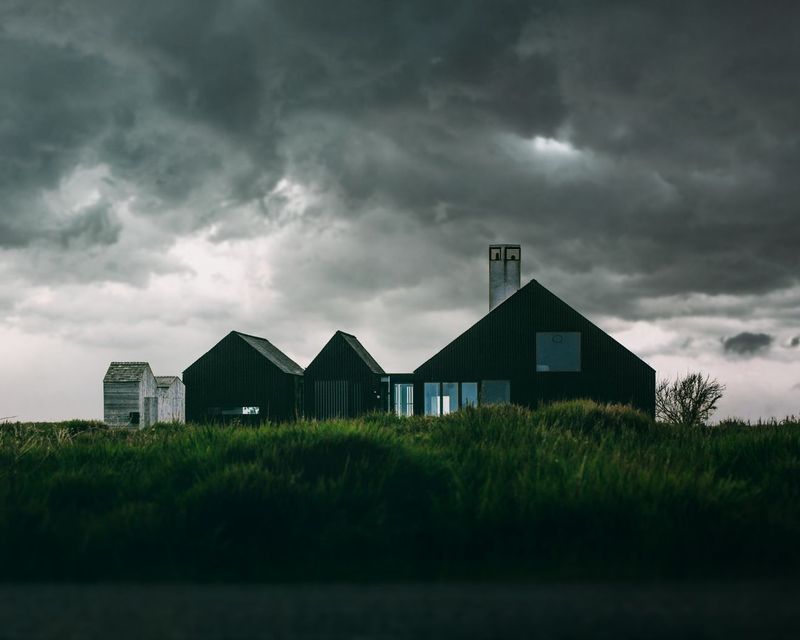
Newer builds
Newer roofs still need a check after a hard winter.
- Lifted or nailed-high shingles
- Vent and penetration seals
- Gutter and fascia water damage
Know what you are looking at
Four steps. No cost to you.
Call or use the contact form
Describe the problem. A photo helps.
We match you
We pick a local roofer for that repair.
They contact you
The roofer books a visit and quotes you directly.
You decide
Accept or walk away. Matching is free.
5 questions to ask any roofer
- Who will be on the roof, and what paperwork do they carry?
- Do you carry WorkSafeBC coverage?
- Will you find the cause, not just patch it?
- What does the written quote include?
- What warranty covers the repair?
Across the Cowichan Valley
The valley around the roof
Duncan is a small city in the Cowichan Valley on southern Vancouver Island, about halfway between Victoria and Nanaimo along the Trans-Canada Highway. The Cowichan River runs through the area on its way from Cowichan Lake to the sea at Cowichan Bay. Somenos Lake lies just north of the city, Quamichan Lake is about 3 kilometres to the northeast, and Mount Prevost rises to 788 metres north of town. Duncan calls itself the City of Totems for the poles you find on its downtown streets.
The valley is a mix of farmland, small towns and forested hillside. That mix is why roofing in the Cowichan area is not one problem. A roof in the city core is a different job from a cedar-shaded house at Maple Bay, a lakefront house at Shawnigan, or a farmhouse at the edge of a field.
What the weather record says
Environment and Climate Change Canada's 1981 to 2010 normals for its Duncan Kelvin Creek station show 1,361.2 millimetres of precipitation in an average year, and 72.0 centimetres of snowfall. That is a wet climate with real snow, and the figure sits in the same range as the east-coast towns farther north on the Island. By comparison, Penticton, in the dry Okanagan, gets 346.0 millimetres.
A roof in that climate rarely dries out for long. Moss and algae settle on any slope that stays shaded, and a moss mat holds water against the shingle edge. Granules wash into the gutter. Fir needles and leaves fill valleys. Houses in the valley are also older than in many BC towns, so many roofs are on their second or third covering, and soft boards under old layers are common. The snowfall figure is a reminder that a cold snap can land on a roof that is already wet.
Place by place around Duncan
- The city core and South End are the older grid toward the highway. Houses here often have mature trees and gutters that fill with leaves.
- Quamichan is trees and steady rain unless the lot faces the lake in the open.
- Maple Bay and Crofton sit near the water. Houses in the open take wind, and houses in the trees take moss.
- Chemainus and Ladysmith climb above their harbours. A slope facing the water takes weather, and one facing the hill takes shade.
- Saltair lies along the shore between Chemainus and Ladysmith, with a mix of open and treed lots.
- Cowichan Bay, Cobble Hill and Mill Bay south of the city mix open wind with firs. Cowichan Bay is at the river mouth, and Mill Bay faces Saanich Inlet.
- Shawnigan Lake is colder than the valley floor and wooded around the lake.
- Lake Cowichan is farther west on the lake. It gets more snow, and a metal roof there can shed a sheet of it onto a deck or a walkway.
Which office handles the permit
Several offices cover this area, and which one applies depends on the lot. The City of Duncan covers only lots inside the city, and an address that feels like downtown is often in the Municipality of North Cowichan, which covers Crofton, Chemainus, Maple Bay and Quamichan. Lake Cowichan and Ladysmith are separate towns with their own departments. The Cowichan Valley Regional District covers the electoral areas, including Cowichan Bay, Cobble Hill, Shawnigan Lake, Mill Bay and Saltair. The City of Duncan requires a permit before work and refers unclear cases to its building inspector. The page on which building office covers an address sets out the five desks, and the address on your tax notice settles which one applies to you.
What old and new roofs each need
Many roofs in the valley are past their best years. On an older house, the usual faults are worn flashing, dried-out sealant and soft boards under old layers. Chimneys and dormers add joints that leak. Cedar shake roofs, which are common in the valley, need cleaning and replacement of split shakes. Newer houses fail in other ways: shingles nailed high that lift in wind, vent and penetration seals that were not done well, and gutters that overflow onto fascia. A roofer who knows the age and covering of the house can tell you which list you are on.
What changes the size of a roofing job
No number belongs on this page. Only a roofer who has seen the roof can give you one. These are the things that move a quote.
- The size and pitch of the roof, and the number of valleys, dormers and chimneys.
- The covering: asphalt, cedar shake or metal, and how much old material has to be removed.
- The number of layers and the condition of the boards beneath.
- Access on rural lots, steep driveways and areas under trees.
- Gutters and fascia that have been wet for years.
- Permit needs and which office applies.
- Heritage or character features that call for careful hands.
When water is coming in tonight
Keep clear of any ceiling that is sagging, move furniture and put a bucket under the drip. Stay off the roof. If the building is unsafe, or water is on the electrics, call 911 first. When people are safe, call (778) 901-9799, say which community the house is in and tell us the water is active. Photos of the ceiling and any visible damage help the roofer who calls back.
Roof leaking? Get matched with a Duncan roofer.
Free matching. A local roofer calls you directly.
One opening, or a roof that is finished
Repair is the right ask when a single opening is wet and the field around it is still sound. Replacement is the right ask when the shingles are done as a field, the sheathing is soft, or the shakes have reached the end. The city's snow row is light. Shawnigan Lake is not that row.
Wind lifts a course. A branch opens a hole. Rain finds the gap before the day is over. If the building is unsafe, or water is on the electrics, call 911 first. The connection is (778) 901-9799 or the form.
The community name changes the roof
Chemainus and Ladysmith climb above their harbours. Crofton and Saltair sit between them, moss under the trees and more wind toward the water. South of the city, Cowichan Bay, Cobble Hill, and Mill Bay mix open wind with firs. Shawnigan is colder than town. Lake Cowichan brings more snow, and a metal roof there can slide it onto a deck.
Quamichan is trees and steady rain unless the lot faces the lake in the open. South End is the older grid toward the highway, with gutters full of leaves. An address that feels like downtown is often the next municipality. City lots use the City of Duncan. North Cowichan covers Crofton, Chemainus, Maple Bay, and Quamichan. The desks are sorted on which building office.
Services
Areas we cover
Old town, newer valley: what the housing count says
Duncan is a small city inside a much bigger valley, and the houses show it. The 2021 census counted 2,455 occupied homes inside the City of Duncan, and 1,505 of them were built before 1981. Only 265 were built after 2000.
That means the typical roof inside city limits sits on an older house. Expect second coverings, older chimneys, and porch or addition roofs tied into the main slope, which is where a lot of leaks start. Ask the roofer whether a second layer of shingles is hiding the deck.
The City also has almost as many apartments as houses: 1,075 apartments in low-rise buildings against 1,025 single-detached homes, plus 195 row houses. In a strata building the roof belongs to everyone, so the council or the property manager makes the call, not one owner.
Step outside city limits and the picture changes. The Municipality of North Cowichan, which wraps around Duncan and takes in Maple Bay, Chemainus, Crofton and Quamichan, has 13,760 occupied homes. Of those, 8,590 are single-detached houses and 610 are movable dwellings. Building there carried on through every decade: 2,625 homes from the 1990s and 3,450 since 2001.
So a newer North Cowichan house often has a leak at one detail, such as a vent, a valley or a skylight, while an older Duncan house is more likely to need a look at the whole covering. Tell the roofer the year the house was built if you know it, or the decade if you do not.
Mobile and manufactured homes have low-slope roofs that are often metal or a rolled covering, and not every roofer takes that work. If yours is one of the 610 in North Cowichan, say so first.
Last, 790 North Cowichan households and 140 in the City told the census their home needed major repairs. If the roof is one of several jobs, say so. The order of work can matter as much as the price.
Housing counts: Statistics Canada, 2021 Census of Population, Census Profile.
Checks you can run before you say yes
Duncan, North Cowichan and the regional district all permit roofs in this valley, which trips people up. These checks work for all three.
- Pull a free WorkSafeBC clearance letter in the roofer's company name before work starts. WorkSafeBC says a homeowner can owe premiums a contractor failed to pay.
- Roofers in B.C. do not need a trade licence to work (WorkBC lists certification as optional). Ask for insurance and a written scope instead.
- The City of Duncan, with 5,047 people in the 2021 census, is surrounded by the Municipality of North Cowichan, with 31,990. Lake Cowichan, Ladysmith and the Cowichan Valley Regional District areas each have their own building desk.
- This site publishes no reviews, ratings or job photos, because none have been collected.
- Roof Repair Duncan has a public Facebook Page that lists the same (778) 901-9799 number. The Page has no reviews yet.
Straight answers
How do I choose repair or replacement?
Repair if one opening is wet and the surrounding field is sound. Replacement if the field is finished, the sheathing is soft, or the shakes are at the end.
What belongs in the first sentence of the call?
The community, and whether water is entering now. City lots, North Cowichan, and the lake towns do not share a building desk. The number is (778) 901-9799.
Can this site stamp an inspection?
No. An inspection is the contractor's opinion after they have seen the roof. It is not a municipal sign-off. You can stop after the look.
How wet is the Duncan area?
Environment and Climate Change Canada's 1981 to 2010 normals for Duncan Kelvin Creek show 1,361.2 millimetres of precipitation a year and 72.0 centimetres of snowfall. Penticton, in the dry Okanagan, gets 346.0 millimetres. A roof in the Cowichan Valley stays wet through the winter.
Does the City of Duncan permit every Cowichan Valley address?
No. The City of Duncan covers only lots inside the city. North Cowichan, Lake Cowichan, Ladysmith and the regional district each have their own desks. Use the address on your tax notice to find out which applies.
Are cedar shake roofs a good idea in this climate?
They can last when they are kept clean and split shakes are replaced, but they need more attention than asphalt in a wet valley. A roofer who works with shakes can tell you what condition yours are in.
Why is Lake Cowichan different from Duncan?
Lake Cowichan is farther west and gets more snow. A metal roof there can shed a sheet of snow onto a deck or doorway, so snow guards and placement matter more than in the city.